Hypothermia Blanket


Regular price $4.99
Lightweight and durable, the USA made Hypothermia Blanket is perfect for survival kits and comes with a detailed graphic print of the MARCH protocol, ensuring you and your family prepared in all conditions.
The blanket is tan on one side and silver (mylar) on the opposite side.
Uses:
- Trap Heat: wrap around your torso under a jacket to trap and reflect heat back towards your body while starting a fire or if fire isn't possible.
- Reflector: Set the mylar blanket behind your fire to reflect heat toward your shelter or working area. Can also be used to line the inside of a primitive shelter to retain radiant heat.
- Wind block: Shield your delicate tinder bundle from wind while getting a fire started.
- Emergency shelter: Rig between trees as a quick tarp to block rain, wind or snow.
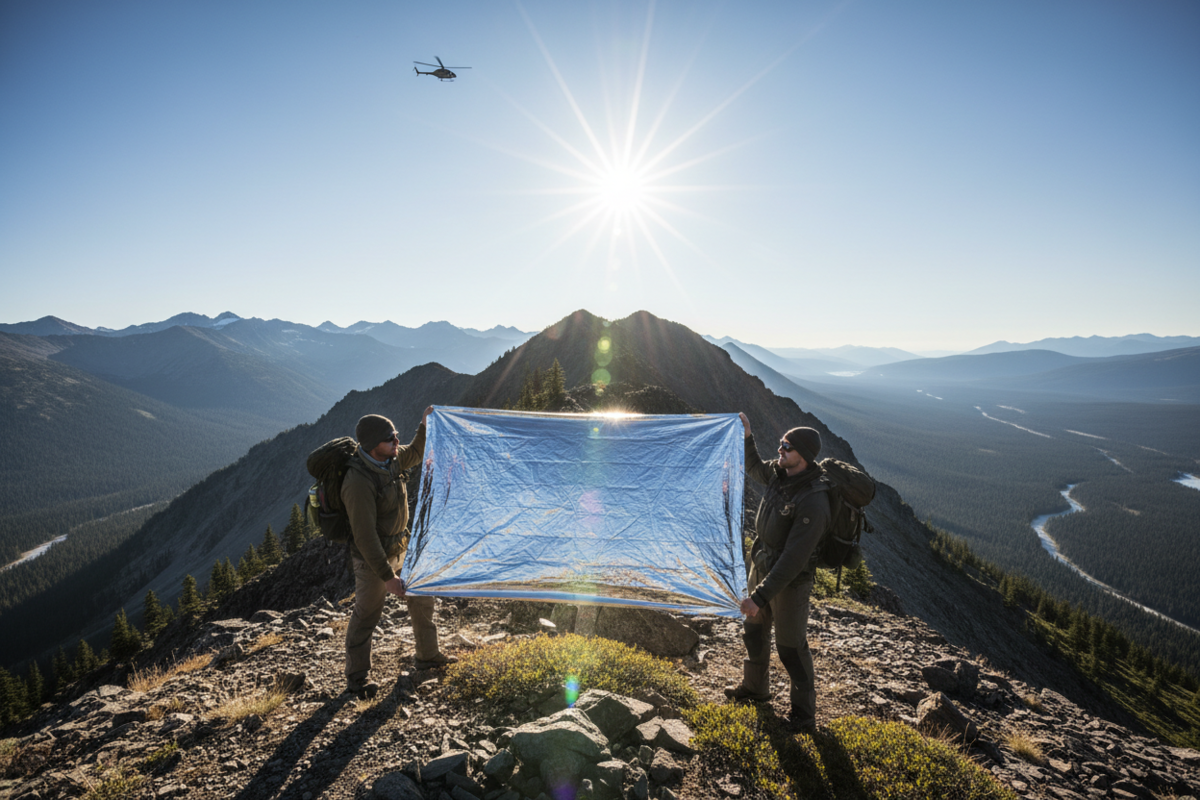
- Signal panel: High-contrast, shiny surface reflects sunlight for long-distance emergency signaling.
- Marker: Tear strips to create highly visible trail markers.
- Water collection: Use to collect rainwater (dump pouch makes a great companion) or use it to line a solar still pit to collect evaporated condensation.
- Drying surface: Spread damp gear, tinder or clothing on the reflective surface to dry faster in the sun.
- Gear spread: Lay on the ground to keep tools clean and visible.
- Improvised sling: Tie corners together for a quick shoulder sling or carrying bundle
- Fishing lure: Cut strips to create reflective attractors
- Cordage: Twist strips of mylar to create cordage for tying or wrapping
Specifications:
Weight: 2.6 oz
Size: 84" x 47.25"
What is the MARCH Protocol?
The MARCH protocol is widely used in both military and civilian emergency medical settings. It was developed from the Tactical Combat Casualty Care (TCCC) guidelines to improve trauma care in high-stress environments. By following this structured approach, first responders can effectively manage life-threatening conditions and significantly enhance survival rates among trauma patients.
M - Massive Hemorrhage: The first priority is to control any severe bleeding. This can be done using tourniquets for limb injuries or direct pressure for other wounds. Rapid control of massive hemorrhage is crucial, as it is the leading cause of preventable death in trauma situations.
A - Airway: After addressing bleeding, the next step is to ensure the airway is clear. This may involve positioning the patient or using devices like a nasopharyngeal airway to maintain an open airway, especially in unconscious patients.
R - Respiration: Check for adequate breathing. If there are any chest injuries, such as sucking wounds, seal them to prevent pneumothorax. Ensure the patient can breathe effectively.
C - Circulation: Assess the patient's circulation, checking for signs of shock and ensuring that any interventions for bleeding are effective. This includes monitoring vital signs and ensuring blood flow is restored.
H - Hypothermia: Finally, address hypothermia, which can complicate trauma care. Keeping the patient warm is essential, especially in cold environments.

|
WARNING: This product may contain chemicals known to the state of California to cause cancer, birth defects or other reproductive harm.
For more information visit www.P65Warnings.ca.gov
|
How to Use
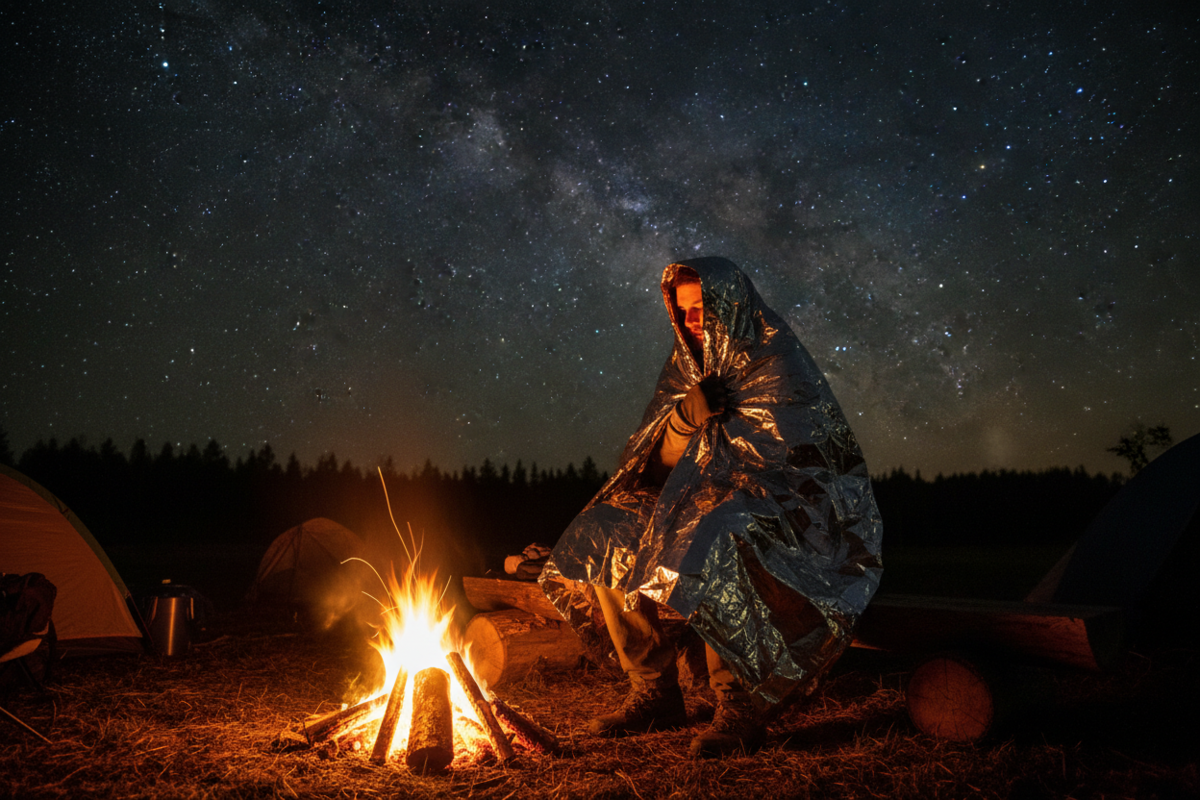
Use it to wrap yourself and trap your body heat to stay warm on those extreme cold days and nights.
Lay it flat on the ground with weight in the middle to collect morning dew or rain.

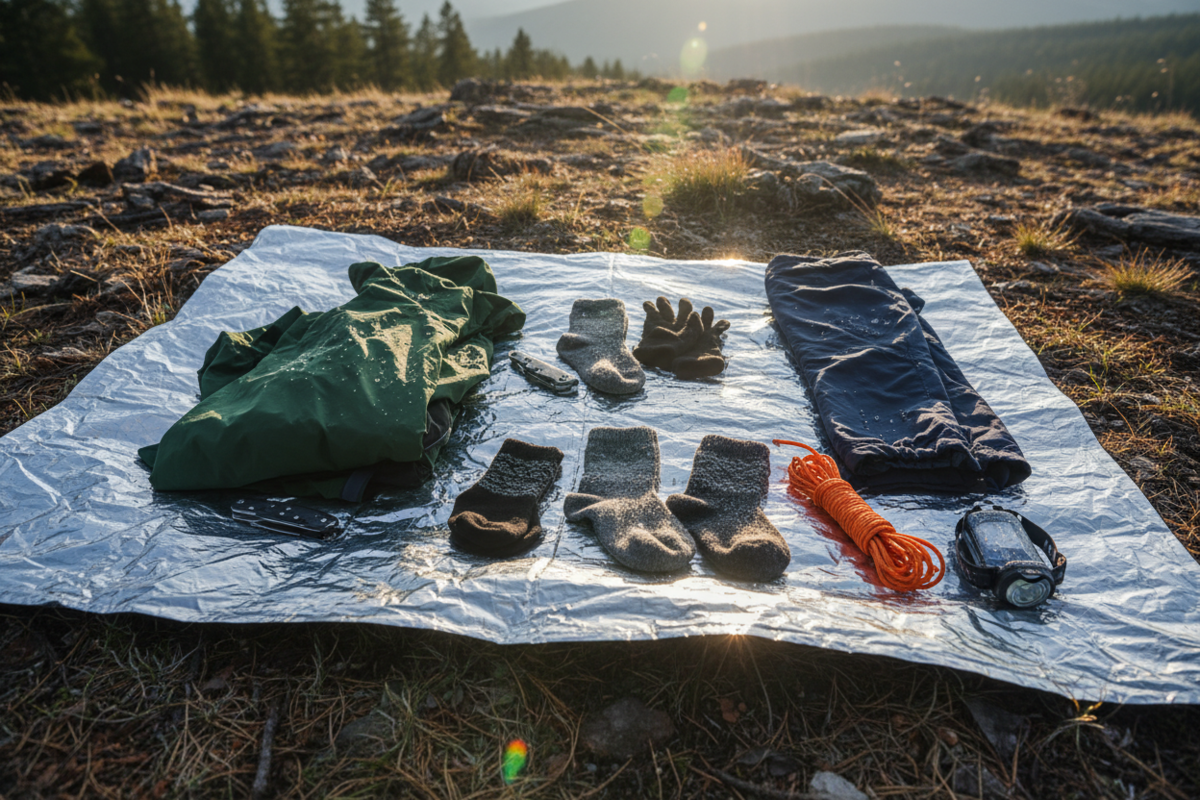
During the day, lay it flat with the reflective side up to help dry your wet gear.
If you are lost and relying on an aerial rescue, use the reflective side with the sun to create a shining signal.